
A Step-by-Step Guide to Ensuring Safety, Compliance, and Optimal Performance
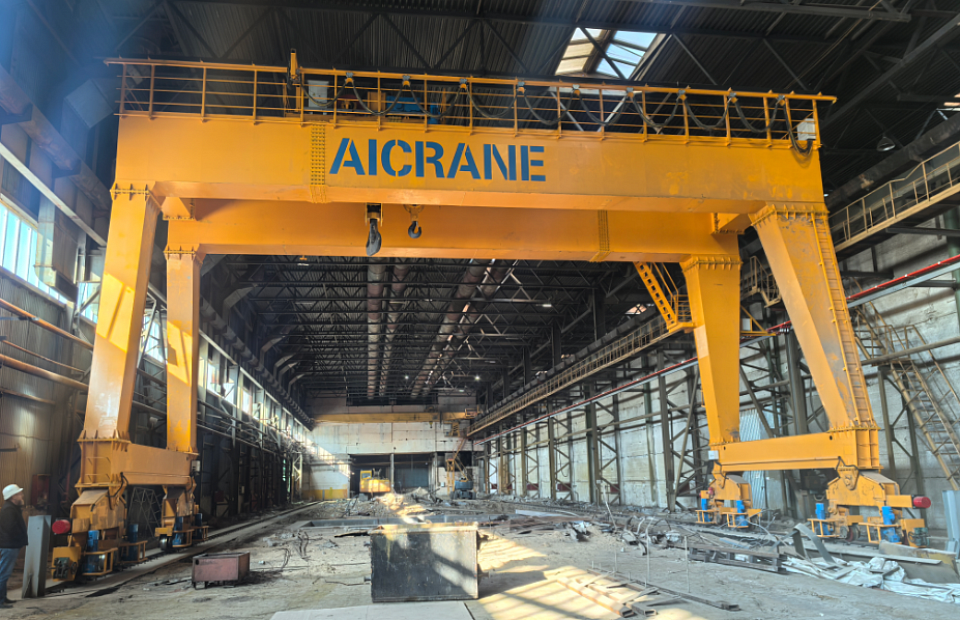
Load testing is a critical process in the lifecycle of a gantry crane, particularly for heavy-duty cranes such as a 100-ton gantry crane. Proper load testing ensures that the crane can safely handle its rated capacity under real-world conditions, complies with safety regulations, and identifies potential weaknesses in design, fabrication, or installation. For companies operating in industries like steel manufacturing, shipping, construction, or precast concrete production, verifying a gantry crane’s lifting capacity is both a legal requirement and a key safety measure. This article explores how to conduct load testing to validate the capacity of a 100-ton gantry crane, including preparation, procedures, safety considerations, and documentation.
Understanding the Purpose of Load Testing
Before delving into the procedure, it is important to understand why load testing is conducted. The main purposes are:
Verification of Load Capacity: Ensuring that the crane can lift the rated capacity without mechanical failure.
Safety Assurance: Identifying potential hazards, such as excessive deflection, structural weakness, or mechanical malfunction.
Compliance: Meeting regulatory standards set by organizations such as OSHA, ANSI, FEM, and local authorities.
Performance Assessment: Checking the efficiency and precision of the crane’s hoisting, trolley, and bridge mechanisms.
A 100 ton gantry crane represents a major investment, and failure during operation can result in catastrophic consequences. Therefore, load testing is an indispensable step before commissioning the crane.
Preparation for Load Testing
Proper preparation is essential to ensure the load test is safe and accurate. Key preparatory steps include:
1. Review Design Specifications
Before testing, review the crane’s design specifications, including:
Rated lifting capacity: 100 tons
Span and lifting height
Type of hoist and trolley
Work duty class (A5, A6, or other)
Crane structure type (single or double girder)
Understanding these specifications helps define the testing parameters and ensures that the load applied does not exceed the structural design limits.
2. Inspect the Crane
A thorough visual and mechanical inspection is necessary to detect any installation errors, wear, or damage. Key areas to check include:
Bridge girder integrity
Trolley and hoist mechanisms
End trucks and wheels
Wire ropes, hooks, and shackles
Electrical and hydraulic systems
Any defects must be addressed before load testing.
3. Prepare the Test Load
The test load should replicate real operational loads, typically applied in the form of weights or water-filled containers. For a 100-ton gantry crane:
Use calibrated test weights totaling 100 tons for full-load testing.
Consider testing at 50%, 75%, and 100% of rated load to progressively validate performance.
Ensure the load is properly secured, balanced, and compatible with the crane hook and rigging equipment.
4. Select Testing Environment
Conduct the load test in a controlled environment to minimize risks:
Flat and stable ground
Adequate clearance from personnel and equipment
Restricted access to non-essential personnel
Availability of emergency equipment and procedures
Load Testing Procedure
A standardized procedure ensures safety, consistency, and reliable results. The following steps outline a recommended load testing process:
1. Initial No-Load Run
Before lifting the test load, perform an initial run with no load to:
Verify the movement of the bridge, trolley, and hoist
Check control responsiveness
Observe mechanical and electrical systems in operation
Identify abnormal noises or vibrations
This step ensures the crane operates smoothly before applying heavy loads.
2. Incremental Load Application
Gradually apply the load in increments to observe the crane’s behavior under increasing stress:
25% of rated load: Lift the load a short distance and hold for 10–15 minutes. Observe deformation, structural behavior, and system response.
50% of rated load: Repeat the process and monitor performance indicators.
75% of rated load: Perform the lift and hold; check for abnormal deflection or instability.
100% of rated load: Finally, lift the full 100-ton load to the maximum intended height. Hold for 10–30 minutes to simulate operational conditions.
Incremental testing allows early detection of potential issues without risking full-load failure.
3. Functional Checks During Load
While the load is applied, operators and engineers should monitor:
Bridge and girder deflection: Excessive bending indicates structural issues.
Wire rope tension and hoist performance: Ensure even load distribution.
Motor currents and brake functionality: Detect electrical or mechanical stress.
Crane stability and alignment: Check end trucks and wheel movement on rails.
Recording these observations is critical for documentation and future maintenance.
4. Overload Testing (Optional)
Some standards allow a brief overload test, typically 10–25% above rated capacity, to test the crane’s safety margin. This should be performed cautiously and only by experienced personnel. Overload testing can validate the design but carries inherent risks.
5. Post-Test Inspection
After removing the load, conduct a detailed inspection:
Look for permanent deformation, cracks, or structural damage.
Inspect wire ropes, hooks, and connections.
Verify all mechanical and electrical systems are functioning normally.
Any irregularities must be addressed before the 100 ton double girder gantry crane enters regular service.
Safety Considerations
Safety is paramount during load testing. Key precautions include:
Personnel Safety: Keep all personnel at a safe distance, and restrict access to the testing area.
Communication: Use radios, hand signals, or other communication methods to coordinate the test.
Emergency Preparedness: Ensure emergency stop buttons and rescue procedures are ready.
Equipment Condition: Only use certified rigging equipment and test weights.
Weather Conditions: Avoid testing in adverse weather such as high winds, rain, or lightning.
Failure to follow safety protocols can lead to accidents, injuries, or damage to the crane and surrounding facilities.
Documentation and Certification
After successful load testing, document all findings:
Test Procedure: Record the steps followed, including load increments and duration.
Measurements and Observations: Note deflection, hoist performance, brake response, and other parameters.
Photos and Videos: Provide visual evidence of the test for verification and record-keeping.
Certification: Issue a load test certificate stating the crane has successfully passed testing at rated capacity. Include the date, personnel involved, and standards followed.
Proper documentation not only ensures compliance but also serves as a reference for future inspections and maintenance.
Benefits of Load Testing
Conducting a thorough load test for a 100-ton gantry crane provides multiple benefits:
Safety Assurance: Confirms the crane can lift its rated capacity without failure.
Regulatory Compliance: Meets international and local safety standards.
Operational Confidence: Reduces downtime and improves trust among operators.
Early Defect Detection: Identifies issues before full operational deployment.
Maintenance Planning: Provides baseline performance data for future inspections.
Conclusion
Load testing is an essential step to validate the capacity of a 100-ton gantry crane. By following a systematic approach—including preparation, incremental load application, functional checks, safety measures, and documentation—companies can ensure that their heavy-duty gantry cranes operate safely, efficiently, and reliably. For industries handling heavy loads daily, rigorous load testing not only protects personnel and equipment but also enhances operational productivity and compliance with safety standards. Investing time and resources in proper load testing ultimately extends the crane’s service life and builds confidence in its performance under demanding operational conditions.
