
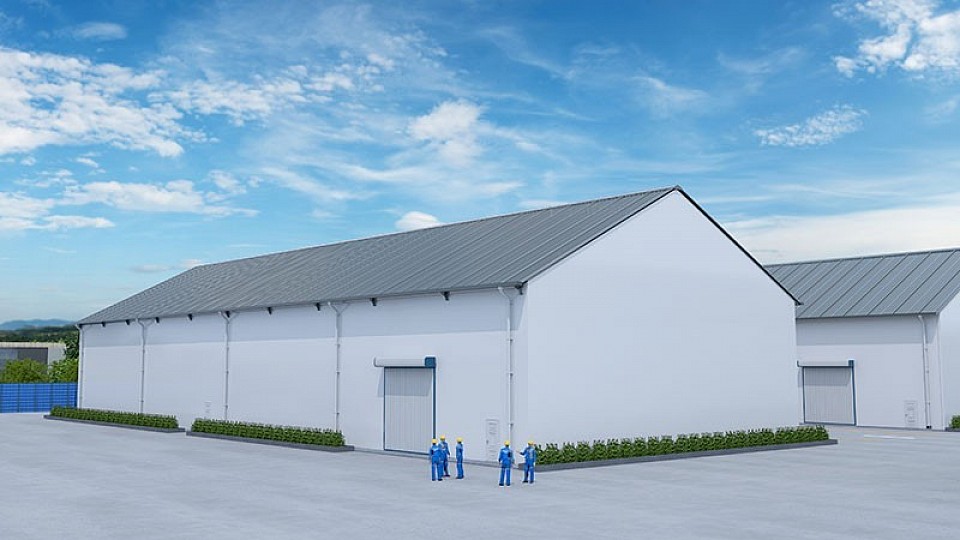
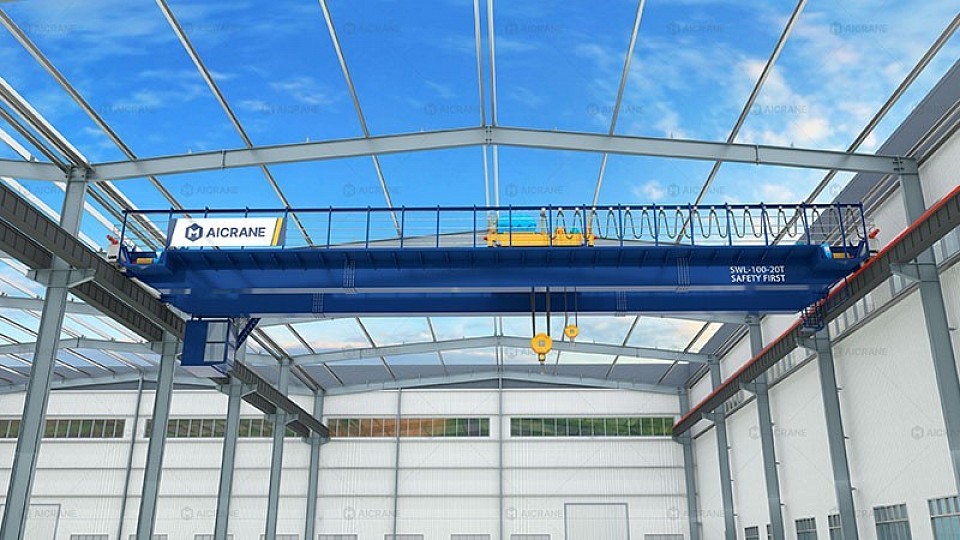
Seamless Overhead Crane Integration for Efficient Steel Workshops
Integrating overhead cranes into a steel structure workshop is a critical aspect of industrial building design. Overhead cranes, also known as bridge cranes, are essential for material handling in manufacturing, logistics, and construction operations. Properly planning their integration can significantly improve operational efficiency, safety, and cost-effectiveness. This article explores the key considerations, design principles, and best practices for effectively incorporating overhead cranes into a steel structure workshop.
Understanding the Role of Overhead Cranes
Overhead cranes are designed to lift, move, and precisely position heavy loads within a workspace. They are widely used in steel fabrication plants, warehouses, assembly workshops, and precast concrete facilities. The integration of cranes into a steel structure workshop design goes beyond simply installing a hoist; it involves carefully planning the structural layout, load distribution, and workflow to ensure seamless operations.
Steel structure workshops are especially suitable for overhead cranes due to their high strength-to-weight ratio, adaptability, and modular construction. However, designers must consider both the crane specifications and the building’s structural capabilities to ensure a safe and efficient setup.
Key Considerations for Integration
1. Crane Type and Capacity
The first step in integration is selecting the right type of overhead crane and determining its load capacity. Overhead cranes are generally categorized into:
Single Girder Cranes: Suitable for lighter loads, usually under 20 tons, and often used in smaller workshops.
Double Girder Cranes: Designed for heavier loads, often exceeding 20 tons, providing greater lifting height and stability.
Gantry Cranes and RMG Cranes: These are sometimes integrated with steel structure workshops, particularly in areas where floor-mounted mobility is necessary.
Understanding the load requirements is crucial because it directly impacts the structural design of the workshop. For instance, a 50 ton overhead crane for sale will impose significantly higher forces on the building’s columns and beams than a 10-ton crane.
2. Workshop Dimensions
The dimensions of the steel structure workshop are closely linked to crane design. Designers must determine:
Span: The distance between the main support columns that the crane will bridge. A wider span requires stronger girders and more robust structural support.
Lifting Height: The vertical distance from the crane hook to the floor. Higher lifting requirements may necessitate taller columns and adjustments to roof height.
Runway Length: The distance along which the crane travels. Longer runways improve material handling efficiency but require precise alignment and adequate support.
Proper coordination between crane specifications and workshop dimensions ensures that the crane operates smoothly without interfering with other equipment or workflow.
3. Structural Reinforcement
Steel structure workshops are modular, lightweight, and flexible, but they must be reinforced to support overhead cranes safely. Key structural elements include:
Columns: Must be designed to handle vertical loads from crane operations.
Beams: The crane runway beams should be capable of supporting dynamic loads and vibration without deflection.
Bracing: Cross-bracing and lateral supports prevent sway and improve stability during crane operation.
Foundations: Proper foundation design is critical, particularly for heavy-duty cranes, to prevent settlement and structural damage.
Collaborating closely with structural engineers ensures that reinforcement measures are tailored to the crane type and load capacity.
4. Workflow and Material Handling
Integrating a crane into a workshop requires careful consideration of material flow. Poorly planned crane placement can cause bottlenecks, reduce efficiency, and create safety hazards. Key considerations include:
Crane Coverage: Ensure the crane can reach all critical work areas.
Path Obstructions: Avoid installing columns, machinery, or storage in crane travel paths.
Operational Zones: Designate clear zones for lifting, maneuvering, and loading/unloading to prevent collisions and ensure safe operations.
A well-planned workflow maximizes productivity while minimizing downtime and material handling challenges.
5. Safety and Compliance
Safety is paramount in crane integration. Steel structure workshops must meet local and international standards, including:
Load Testing: All cranes must undergo rigorous load testing before operations begin.
Overload Protection: Ensure cranes are equipped with limit switches and overload sensors.
Operator Safety: Provide proper controls, emergency stops, and clear signage for operators.
Building Codes: Comply with structural and occupational safety regulations, including fire protection and seismic considerations.
Designers should also plan for regular maintenance access to ensure long-term safety and reliability.
6. Coordination with Mechanical and Electrical Systems
Cranes require electrical power, controls, and sometimes auxiliary systems like lighting or air lines. Integration should consider:
Power Supply: Adequate voltage and current for crane motors.
Control Systems: Ground, pendant, or remote control options for smooth operation.
Cable Management: Cable trays, festoon systems, or busbars to support crane movement without entanglement.
Lighting and Ventilation: Sufficient lighting for crane operation and proper airflow for worker safety.
Coordinating mechanical and electrical systems during the workshop design phase avoids retrofitting complications.
7. Future Expansion and Flexibility
Steel structure workshops offer flexibility for future expansion, and crane integration should account for potential growth. Designers should consider:
Additional Cranes: Space for future cranes or heavier-duty models.
Modular Expansion: Columns and beams that can support increased spans or heights.
Workflow Adjustments: Ability to reconfigure storage or production areas without disrupting crane operation.
Planning for the future reduces long-term costs and ensures that the workshop remains adaptable to evolving business needs.
Best Practices for Successful Integration
Early Collaboration: Engage crane manufacturers, structural engineers, and workshop designers early in the planning phase to align specifications and requirements.
Load Simulation: Use software to simulate crane loads and movements to identify potential structural or operational issues.
Standardization: Wherever possible, standardize crane components, runway beams, and control systems to simplify maintenance and reduce costs.
Regular Inspections: Implement a strict inspection schedule for cranes and structural components to ensure safety and longevity.
Training: Provide comprehensive training for crane operators and maintenance personnel to enhance safety and operational efficiency.
Conclusion
Integrating overhead cranes into a steel structure workshop requires a balance of technical expertise, careful planning, and attention to detail. From selecting the appropriate crane type and capacity to designing reinforced structures and planning efficient workflows, each step plays a critical role in the overall success of the project. By considering safety, compliance, electrical systems, and future expansion, businesses can create workshops that maximize productivity, minimize risks, and provide long-term value.
A well-integrated overhead crane system not only enhances material handling efficiency but also transforms a steel structure workshop into a versatile, high-performance industrial space.
