
Engineering, Fabrication, and Operational Hurdles Behind Wide-Span Lifting Systems
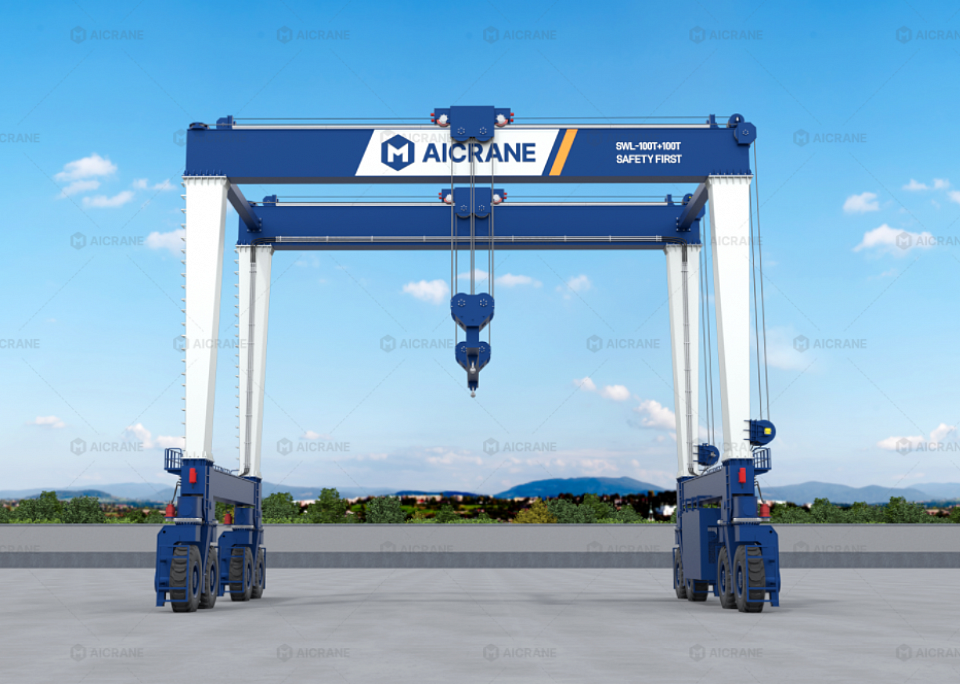
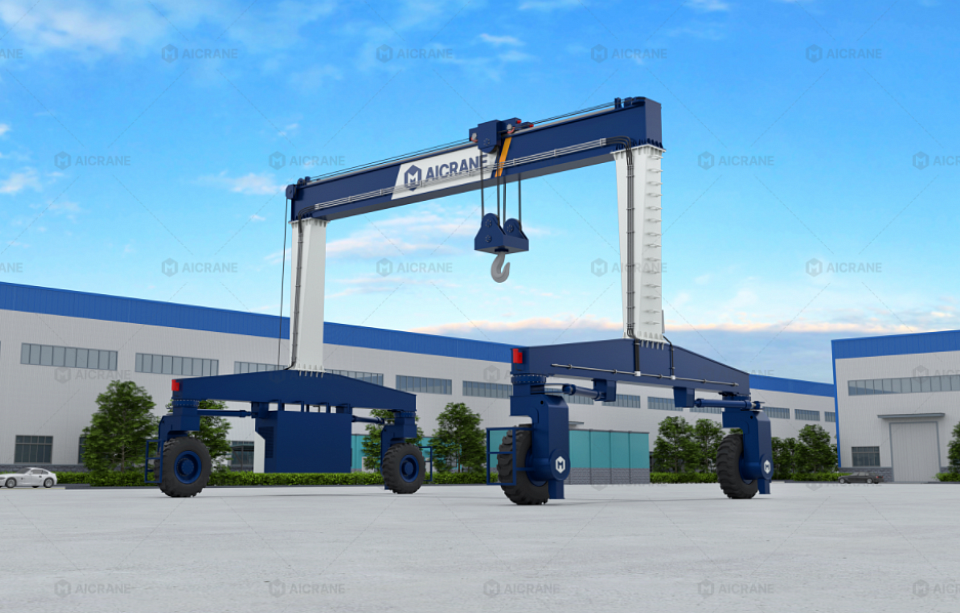
Large-span mobile gantry cranes are among the most critical pieces of heavy lifting equipment used in industrial applications spanning shipyards, rail yards, steel plants, precast concrete industries, logistics hubs, and infrastructure projects. Their ability to lift and transport massive loads across wide areas makes them indispensable for heavy-duty operations.
However, manufacturing a large-span mobile gantry crane — especially those with spans exceeding 30–40 meters — presents numerous challenges. From structural design complexity and material limitations to precision fabrication, transportation constraints, and compliance with safety standards, the production process is fraught with technical, logistical, and economic hurdles.
This article explores the core manufacturing challenges associated with large-span mobile gantry cranes and highlights strategies that manufacturers adopt to overcome them.
1. Complex Structural Design and Engineering
The foundational challenge in manufacturing large-span mobile gantry cranes is the structural complexity. Unlike smaller cranes, large-span cranes must support significant dead loads (the weight of the crane itself) and live loads (the weight of the lifted objects and dynamic forces during motion).
1.1 Load Distribution and Stability
As the span increases, the distribution of loads becomes more critical. Engineers must design the main girders and cross rails to handle bending moments, shear forces, and torsional stresses without excessive deflection. A poorly engineered design can lead to structural fatigue, misalignment, and premature failure under repeated loading cycles.
1.2 Finite Element Analysis (FEA)
Accurate modeling through Finite Element Analysis is essential. Large-span structures exhibit complex stress patterns, necessitating high-fidelity simulations to predict performance under various load scenarios — including asymmetrical loads and dynamic effects caused by trolley acceleration, wind forces, and crane motion.
Ensuring structural integrity through advanced simulation tools is not only time-consuming but also computationally demanding, requiring experienced engineering teams and specialized software.
2. Material Selection and Procurement
Selecting the right materials is a critical step. Large-span gantry cranes demand high-strength, fatigue-resistant steel that can withstand heavy loads while minimizing weight.
2.1 High-Strength Steel
High-strength low alloy (HSLA) steel is commonly used for main beams and structural components. While offering greater strength-to-weight ratios, HSLA steel often costs more and requires careful handling during cutting, welding, and assembly to maintain material integrity.
2.2 Supply Chain Variability
Securing consistent, high-quality steel supplies can be challenging. Fluctuating commodity prices, supply chain disruptions, and lead times for specialized steel grades can impact manufacturing schedules and cost projections.
Manufacturers must balance material costs with performance requirements, often maintaining strategic relationships with steel suppliers or sourcing globally to meet demand without compromising quality.
3. Precision Fabrication and Welding Challenges
Manufacturing large-span gantry cranes involves fabricating massive steel sections with millimeter-level accuracy. Precision is critical because improper alignment during welding and assembly can result in operational inefficiencies or safety issues during use.
3.1 Welding Quality
Welding large structural components is inherently challenging. The process must ensure robust joint strength while avoiding defects such as cracks, porosity, or distortion. Large weld seams are temperature-sensitive, and improper control can lead to residual stresses that warp the structure.
To mitigate these risks, manufacturers implement strict welding procedures, including:
Certified welders with expertise in heavy fabrication
Preheating and post-weld heat treatment protocols
Ultrasonic and radiographic testing to verify weld integrity
3.2 Precision Machining
Key components such as wheel bogies, rail surfaces, and end carriages require machining to exact tolerances. Large machining centers and jigs are necessary to maintain alignment over long spans. However, the sheer size of parts increases setup complexity and costs.
4. Transportation and Installation Constraints
Large-span mobile rubber tired gantry cranes are often produced in facilities far from their final deployment sites. Transporting oversized components — such as main girders spanning tens of meters — introduces logistical difficulties.
4.1 Over-Dimensional Freight
Transporting long crane girders may require special permits, escorts, and route planning to avoid obstacles such as low bridges or narrow roads. Marine or rail transportation may be used to mitigate over-road challenges, but each mode adds complexity and cost.
4.2 Modular Construction Approaches
Many manufacturers adopt modular construction to minimize transport issues. Instead of shipping full-span girders, cranes are fabricated in smaller sections that can be bolted or welded on-site.
While modular design simplifies logistics, it increases assembly complexity and requires precise alignment during on-site assembly — demanding skilled labor and quality control procedures in the field.
5. Quality Assurance and Testing
Ensuring the performance and safety of large-span mobile gantry cranes requires extensive quality assurance and testing.
5.1 Load Testing
Before delivery, cranes undergo static and dynamic load tests to verify compliance with design specifications and safety standards. These tests may include:
Static load tests with calibrated weights
Dynamic tests with moving loads
Structural deflection measurements
Braking and control system verification
Large cranes may not fit in conventional test bays, requiring outdoor test areas or staged tests at reduced capacity — both demanding careful planning and rigging expertise.
5.2 Certification and Compliance
Manufacturers must comply with international standards such as ISO 4301 and industry-specific regulations. For example, cranes used in hazardous environments may require ATEX certification, while those for nuclear plants demand rigorous documentation and traceability.
Certifications involve audits, third-party inspections, and extensive paperwork that add to production timelines and costs.
6. Integration of Advanced Technologies
Large-span mobile gantry cranes increasingly integrate advanced technologies to improve performance, safety, and automation.
6.1 Control Systems
Modern cranes use PLC (Programmable Logic Controller)-based control systems, remote controls, and human-machine interface (HMI) consoles. Integrating these systems seamlessly with mechanical components requires electrical and software expertise.
6.2 Automation and Sensors
Automation features such as anti-collision systems, load monitoring sensors, and remote diagnostics enhance safety and productivity. However, these systems require:
Robust sensor calibration
Cybersecurity considerations
Testing under real-world operating conditions
Implementing advanced controls in harsh environments (e.g., salt-spray conditions near shipyards) demands rugged hardware and regular maintenance.
7. Skilled Workforce Requirements
The manufacturing of large-span mobile gantry cranes depends on a skilled workforce of engineers, welders, technicians, and quality inspectors. However, many regions face labor shortages in heavy fabrication industries.
7.1 Specialized Training
Operators and technicians must be trained in specialized skills like structural welding, advanced machining, and crane commissioning. Training programs and certifications are essential but add to labor costs and timelines.
7.2 Workforce Retention
Retaining highly skilled workers is a challenge due to competition from sectors such as aerospace, automotive, and energy. Manufacturers must offer competitive compensation, career development, and safety culture to sustain talent.
8. Environmental and Regulatory Compliance
Environmental considerations influence materials selection, manufacturing processes, and waste disposal.
8.1 Emission Controls
Steel fabrication and painting operations involve emissions that must comply with environmental regulations. Oversight of volatile organic compounds (VOCs) during coating and minimizing waste from cutting operations are key focus areas.
8.2 Worker Safety
Heavy fabrication environments pose risks such as falling objects, welding fumes, and crane movement hazards. Adhering to OSHA (Occupational Safety and Health Administration) standards or local safety regulations requires safety protocols, training, and protective equipment.
Conclusion
Manufacturing large-span mobile gantry cranes is a highly specialized process that integrates advanced engineering, precision fabrication, logistics planning, and stringent quality controls. The technical challenges — from structural integrity and welding precision to transportation logistics and technology integration - require robust systems, skilled labor, and continuous innovation.
As heavy industry demands cranes with greater spans, higher capacities, and smarter controls, manufacturers will increasingly lean on digital design tools, modular construction methods, and automation technologies to innovate. Collaboration across supply chains, investment in workforce development, and adherence to international standards will continue to be essential for delivering safe, reliable, and cost-effective gantry cranes that serve the backbone of modern industry.
